

 Illustrative image
Quit smoking
Smoking Cessation
Break the habit. Keep the health.
Important safety information: Some people experience mood changes, agitation, anxiety or suicidal thoughts. Contact your healthcare provider about any unusual or severe reaction. See full safety information
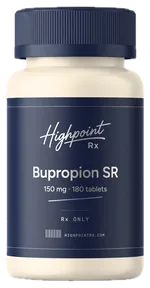
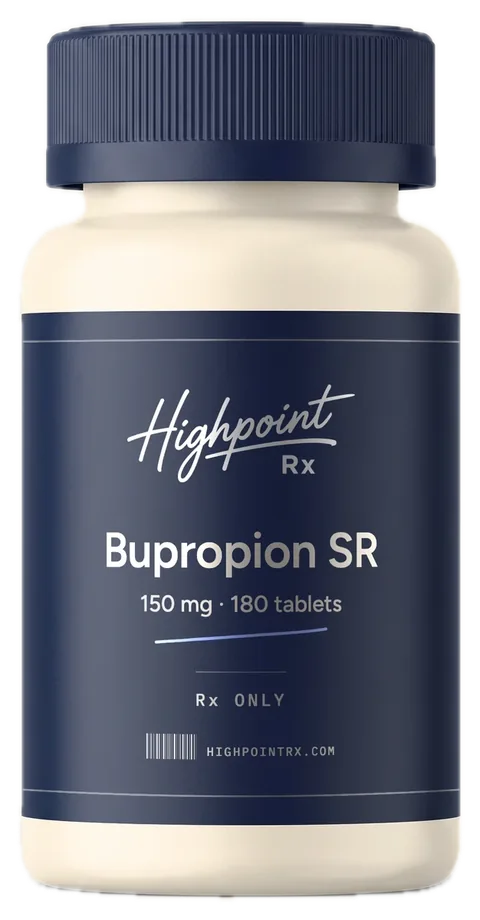
- 150mg, 180 tablets
- 3-month supply
- Non-nicotine
- 100% online, confidential consultations
- US board-certified doctors, trusted medications
- Free rushed delivery from the pharmacy
Not sure? Find your plan Medication facts
HighPoint Rx does not manufacture compounded medications. Actual product appearance and labeling of the medication you receive may differ from website images.
- Confidential online consultation

- Board-certified Physicians, trusted medications
- Fast, free shipping
- GLP-1 for weight loss support
About this treatment
Bupropion
Bupropion is an atypical antidepressant that is FDA-approved for smoking cessation under the brand name Zyban. It works by altering levels of dopamine and norepinephrine in the brain—chemicals involved in addiction and mood regulation. Unlike nicotine replacement therapy, Bupropion is a non-nicotine oral medication that reduces cravings, helps manage withdrawal symptoms, and improves quit success rates. It can be used alone or in combination with behavioral support or nicotine replacement options.

What to expect
Your quit plan.
From our patient FAQ. Your provider sets your exact schedule.
- Week 1
Start before you quit
Begin taking Bupropion daily one week before you stop smoking, so the medicine builds up.
- Quit day
Stop using tobacco
Keep taking it as prescribed, at least 8 hours between doses.
- Up to 12 weeks
Stay on track
Keep taking it for up to 12 weeks after you stop using tobacco.
- Up to 1 year
If your provider advises
Treatment can continue for as long as 6 months to 1 year.
Medication facts
What to know before you start.
Condensed from our patient FAQ. Your provider's directions and your prescription label always come first.
 Rx only
Smoking Cessation
- Medication
- Bupropion SR 150mg, quantity 180
- Form
- Extended-release tablet, swallowed whole, never cut or crushed
- Supply
- 3-month supply
- When to start
- One week before your quit day
- Schedule
- Usually once a day for a few days, then twice a day, at least 8 hours apart, never more than two doses in 24 hours
- How long
- Up to 12 weeks after you stop, and as long as 6 months to 1 year. Your provider decides.
- Storage
- Room temperature, in the original container, away from heat and moisture
Medications only issued when clinically appropriate after provider evaluation.
Three steps, all online
How does it work?
No appointments, no travel, skip pharmacy lines.
-

Step 1: Take the health questionnaire
100% online and confidential health intake form
Respond to a brief set of medical questions.
-

Step 2: A provider reviews your visit
Based on your state, a synchronous online visit may be required
You'll hear back from one of our US-based doctors in 24 hours.
-

Step 3: Get your meds
Fast free delivery from our accredited pharmacies
Rush No-Contact delivery, so no signature is required.

Healthcare on your terms.
No appointments, no travel, skip pharmacy lines. Receive a physician-led consultation and prescription approval from the comfort of your home.
Get Started Illustrative image
Questions
Frequently Asked Questions
Everything you need to know about services and platform.
Support hours 9:00am – 6:00pm, Monday to Sunday.
What is Bupropion?
Bupropion is an extended-release oral tablet, prescription medicine that is FDA approved as an aid to smoking cessation treatment.
How does Bupropion work?
Bupropion, which is an atypical antidepressant, also helps those looking to stop smoking. Although the exact mechanism of how Bupropion helps people quit smoking is not fully understood, it is believed to work through the following actions:
Dopamine and Norepinephrine Reuptake Inhibition: Bupropion inhibits the reuptake of two important neurotransmitters in the brain: dopamine and norepinephrine. By blocking their reabsorption, Bupropion increases the levels of these neurotransmitters in the brain, leading to improved mood and increased alertness, which may help reduce the urge to smoke.
Nicotine Receptor Modulation: Nicotine, the addictive component in cigarettes, binds to specific receptors in the brain known as nicotinic acetylcholine receptors. Bupropion is thought to partially stimulate these receptors in a way that is different from nicotine, which may help reduce nicotine cravings and withdrawal symptoms.
Reduced Withdrawal Symptoms: Bupropion may alleviate some of the withdrawal symptoms associated with quitting smoking, such as irritability, restlessness, and difficulty concentrating. This can make it easier for individuals to cope with the challenges of quitting.
What can I expect with Bupropion treatment?
You begin taking Bupropion daily, 1 week before you quit smoking. This builds up the level of medicine in your body. You take Bupropion for up to 12 weeks after you stop using tobacco but you can take Bupropion for as long as 6 months to 1 year. Your medical provider will make the determination on how long your treatment should last.
How to take Bupropion?
Bupropion comes as a tablet to take by mouth. It is usually taken once a day for a few days then twice a day with or without food. Bupropion is an extended-release tablet and therefore must be swallowed whole and cannot be cut or crushed. It is very important that you have at least 8 hours between doses, and that you do not exceed two doses in a 24-hour period. Follow the directions on your prescription label carefully. Take Bupropion exactly as directed. Do not take more or less of it or take it more often than prescribed by your doctor.
What are the possible side effects of Bupropion?
Bupropion is a medication primarily used for smoking cessation and the treatment of depression. It is important to note that all medications, including Bupropion, may have potential side effects. Common side effects of Bupropion may include:
- Dry mouth
- Headache
- Insomnia or changes in sleep patterns
- Nausea or upset stomach
- Dizziness or lightheadedness
- Constipation
- Increased sweating
- Tremor or shaky hands
While these are the most commonly reported side effects, it’s essential to be aware that there could be more severe or less common side effects that require immediate medical attention. For example, some people may experience mood changes, agitation, anxiety, or even suicidal thoughts. If you experience any unusual or severe reactions while taking Bupropion, it is crucial to contact your healthcare provider.
What should I do if I miss a dose of Bupropion?
If you forget to take your daily dose of Bupropion, skip the missed dose and continue your regular dosing schedule. Do not take a double dose to make up for a missed one.
How should I store Bupropion?
Keep this medication in the original container that you received it in, tightly closed, and out of reach of children. Store it at room temperature and away from excess heat and moisture (not in the bathroom).
Important safety information
- Some people experience mood changes, agitation, anxiety or suicidal thoughts. Contact your healthcare provider about any unusual or severe reaction.
- Common side effects include dry mouth, headache, trouble sleeping, nausea, dizziness, constipation, increased sweating and shaky hands.
- Do not take a double dose to make up for a missed one.
This is not a complete list. Talk with your provider about your health history and any other medications. In case of an emergency, please call 9-1-1.
Tell your provider about any side effects. You can also report side effects of prescription drugs to the FDA at fda.gov/medwatch or 1-800-FDA-1088.